
What Are External Rendering Systems: the solutions transforming your building façade?
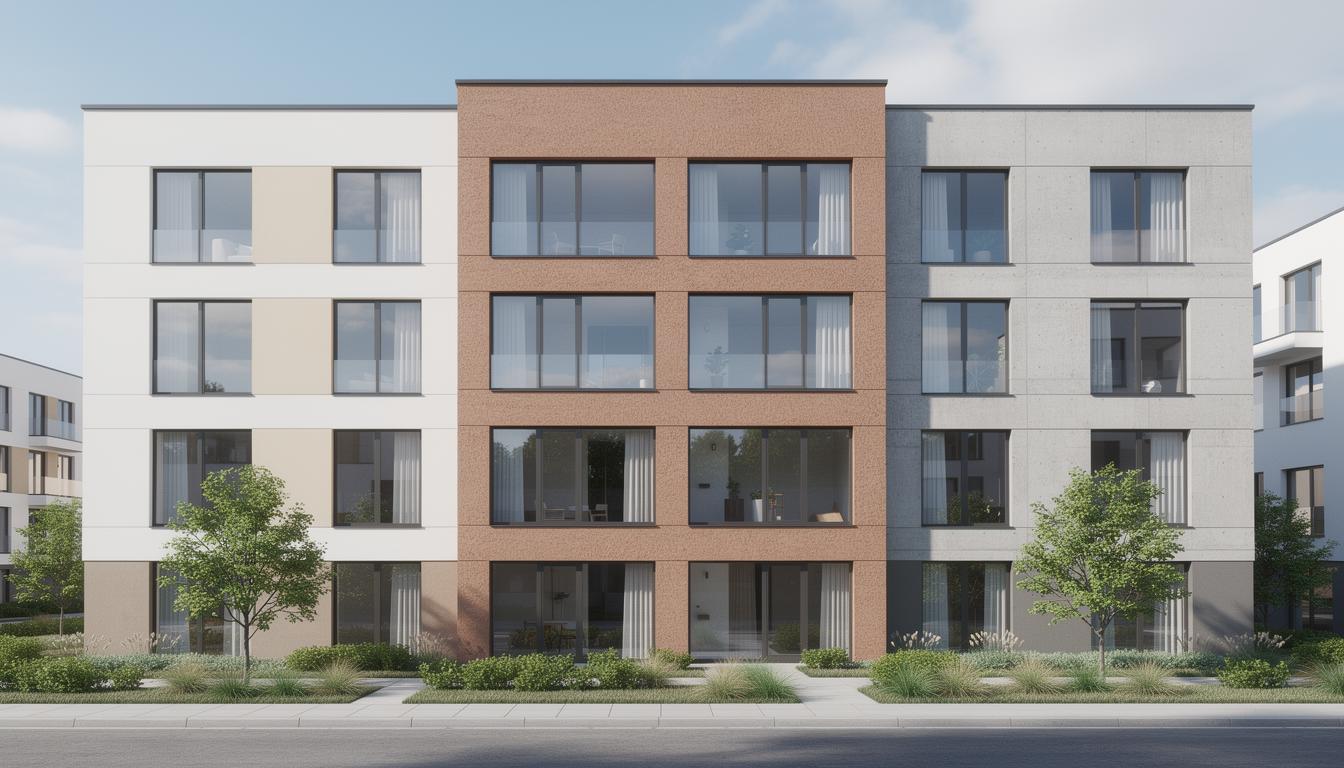
Rain beats down; the wall's surface refuses entry, insulation sits unyielding beneath, and the façade—even after a storm—looks untouched. Override old clichés about building exteriors, because façade rendering solutions change the way buildings endure in a cityscape that demands ever more. Right from the street, eyes follow the unexpected color, wonder at the texture, question the secret to comfort inside. For once, aesthetics do not have the last word—thermal performance raises the stakes, and 2026 does not wait around for outdated methods. Professionals, DIYers, observers, take notice. Choices made today dictate tomorrow's energy use and visual identity. Your façade faces more than weather; it battles fashion, regulation, and the march of innovation.
The Foundations of External Rendering Systems
Armour or art, sometimes both, but never neutral. A city stretches from London's cloudbursts to the sunbleached walls of Los Angeles, and all rely on something more than simple paint. These coatings handle stress, adapt, and endure; they enter the picture quietly, yet never exit gracefully. External wall finishes fuse resilience with design. Professional jargon mutates with the decade—external wall coatings, façade treatments—no matter, the mission does not change: keep water, wind, and eyes exactly where they belong. No one forgets the triple mission: weather resistance, insulation, visual boldness. Specialists like Licata showcase how modern rendering systems meet these demands across diverse climates and building types.
A lire également : Maryam rajavi's journey: key lessons in leadership and strength
Long before trends, thick render kept homes drier, warmer, more appealing than forgotten neighbors. Walls breathe, winter retreats, and renovations reveal a new sense of place, even without a word spoken.
The Major Families in External Rendering Systems
A walk through the building materials market in 2026 does not end with a single formula, quite the contrary. Choice multiplies—novices and veterans compare like never before. Four solution types emerge, reshuffling old priorities. The toughest budgets still find satisfaction in sand and cement, those after brilliance pick silicone acrylics, speed lovers go monocouche, energy enthusiasts bank on insulated composite systems. The plain white rectangle, finished without flourish, has not vanished, but now stands shoulder to shoulder with wild hues and thick skins that trap warmth. The stakes climb, styles multiply, no two façades echo exactly.
A lire aussi : Elevate your event with leading business speakers for success
| Type | Main Feature | Best For |
|---|---|---|
| Traditional sand and cement | Cost control, basic durability | Budget renovations; classic looks |
| Silicone acrylic | Waterproof, flexible, vibrant color | Exposed locations; modern build |
| Monocouche | One-layer, colored finish | Fast projects; unique hues |
| External wall insulation system (EWI) | Adds thick insulation, supports eco-goals | Energy upgrades; passive house |
Pennywise projects stake everything on sand and cement, roughcast, grainy, proven after generations. Weather throws punches yet never knocks the wall cold. The bolder pursue acrylic solutions, chasing impossible pigments and water repellence, watching vibrant buildings in Manchester defy whatever the clouds withdraw. Monocouche stands apart, a single layer, rapid to install, coloring the block in one sweep. Insulated rendering wins the eco-game—no longer extravagance, now a standard for those chasing net zero, with mineral wool panels locking warmth behind beautiful new skins. No shortage of vocabulary—colored render joins insulated render, both raising bars long held low. The revolution creeps block by block, unnoticed until heat bills shift and color refuses to fade.
The Features Revolutionizing Facades
What grabs attention with modern rendering? Performance jumps, colors startle, comfort rises, durability finds new champions. No nostalgia here: new coats never give in easily, confronting rain and wind with assurance. Homeowners expect walls to manage temperature year-round, stave off damp, and hold personality even as years pass. Regulations circle; property values wiggle as efficiency scores update; cities vote with their wallets and pick only what lasts.
The Modern Advantages of External Wall Systems
Do not search for the faint whisper of improvement; look for the bold leap. Renders today rebuff storms, repel moisture, and let resting vapor escape unnoticed—no black spots, no lingering worry. Insulated options hit both ends of the thermometer—no icy chills one day, no oven-like afternoons the next. Easy cleaning? Lower bills? Both greet modern buyers, luring families and investors equally. Passersby see sharp detail, neighbors count savings, and the silent revolution remains just that: silent, yet effective. Design latitude soars—monochrome or riotous hues, heavy depth or almost flat, personal choices claimed and broadcast to the world.
Independence arrives in the form of numbers—British Board of Agrément confirms a drop in heat lost from rendered and insulated walls, warmth now stays within, and property values nudge upward season after season.
The Main Suppliers and Industry Leaders
Step into any large city and discover the value of picking the right supplier. Sto's façade innovations never pause, supporting both clinics and office blocks, while Weber stands tall with its palette for every heritage and renovation setting. Parex carves out a voice through its mastery of color and technical repair; K Rend wins rapid-finish battles on Irish and UK projects.Certified sustainability? Now the norm. BREEAM, LEED, factory control, and repeated third-party testing form the new minimum. Not a marketplace for guesswork—clients expect documentation, reliability, and clear adaptation to their project's quirks. If a pigment proves difficult, if an extra thermal barrier requires adaption, expert advice never stays buried in manuals. Skeptics calm facing labeled insulation and laboratory tests. The sector marches toward tighter controls—everyone watches their energy bills, their carbon footprints, their market value. Not all choose the same, but none pick blind.
The Steps Behind Every Durable Installation
Building's first impressions last and failure never gets a second chance. No one skips the ground rules because rushed renderings waste fortunes. Substrates demand attention: probe for hidden damp, poke at softness, check for cracks and forget nothing. Walls reveal history in their flaws. Moss, ancient paint, sagging plaster, nothing stays. Washer and brush scrub what lost color should never hide. Only when bare block reappears does the true work unlock. Primer matches the base—block, stone, composite insulation—and links old with new.
Preparation shrinks future repairs to rare occurrences. Good installers follow their own checklists, never trusting eyes alone—wall priming and detailed surveys stand between a showpiece result and calamity before next winter's frost bites.
The Layered Dance of Application
Debate simmers in every crew: some still favor slow hand layering, others swear by the spray machine's speed, and yet others plot insulation board layouts in silence. Traditionalists pick up trowels, shape texture, check for uniform adherence, wait, then resurface, smoothing by touch. Monocouche revels in evenness, machine-fed and efficient, never require a day's delay between steps. Insulated renderings evolve as sandwich: insulation first, webbed mesh in between, rendering atop—the mesh quietly thwarts any creeping crack. Curing takes patience, real toughness never comes fast. Foremen shout new worries across sites—ask anyone who supervised work on a windswept block outside of Surrey. "Double-check your seams," sounded across scaffolds, the sense of watching water threaten the day's labor.
| System | Distinctive Process Step | Typical Surface Effect |
|---|---|---|
| Traditional Render | Several meticulous wet layers | Sponge or trowel finish, grainy or smooth |
| Monocouche | Rapid single-coat spray method | Brushed lines or subtle surface relief |
| EWI | Bolted board, mesh, integrated render | Colored finish, crisp decorative lines |
Rushed jobs disappoint within months, yet care stretches lifespan by generations. Order counts: never reverse the sequence, never skip a test cure. Professional voices sometimes clash, but all regret when a shortcut ruins the curb appeal. Eyes-level pressure echoes through every project—render cracks early if the sequence slides. Satisfying? Yes, but only after real stress and repeat checks calm storms before the actual storm ever comes.
The Reality of Upkeep and Lasting Value
Pretend that maintenance does not exist—no façade stays flawless long. Routine checks command results, so do brisk but efficient cleanings at least once per year. Prevent algae, end stains, fend off early aging with careful attention. Render does not cry out when cracks appear; those hairlines become rivers unless inspected and re-sealed quickly. Most homeowners ignore fine lines until the dreaded bill—do not join their number. Famous buildings do not falter overnight. Scheduled checks—annual, biennial, every few years—let small flaws end in DIY fixes, not catastrophic repairs.
The Art and Necessity of Preventive Actions
Beauty stands proud longest where owners embrace the calendar, not just the first wow moment. Hydrophobic treatments—water simply beads and rolls, leaving color and texture intact. Inquiries about new preventive treatments expand. Ask, request, push for details—no layer lasts forever without care. Contractors rarely refuse advice—everyone shares one goal: walls that look and perform like new a decade later. Lab-tested lifespans, homegrown insight, equal weight in the end.
- Regular visual inspection for cracks
- Gentle annual cleaning to avoid buildup
- Immediate seal on detected flaws
- Scheduling assessments with a trusted pro at least every five years
The Usual Headaches—And How To React
No promise holds for eternity in construction. Even robust rendering splits or loses shade under relentless heat. Water sneaks past damaged render, threatening insulation or structure. Tackle the minor gap with sealant, address the bigger concern with professional skills. Warranty claims reach for the calmest palms—worry retreats when the system supplier steps in. Moss and algae, unexpected guests, wash off only with the right gear, never with brute force. Full detachment, however, signals the time for a full survey. Reliable bodies—BRE, NHBC—push bi-decade checkups, especially on older installations. No one escapes every defect, prevention merely postpones disaster, sometimes for decades.
The manager of an 80s-era apartment block in Glasgow quietly muttered, "If previous owners handled their annual checks, these walls would laugh in the face of Scottish winters." A lesson passed softly but felt deeply by all watching newly restored render flicker under a gray sky.
Storms, sunlight, decades—they test façades, push at forgotten seams. Still, the right choice, the patient hand, and a timely maintenance routine, all tip the battle from rot and regret, toward pride, lower bills, and a few turned heads after every rainfall.